A long-distance relationship that works
Be honest: do you know where the power came from to light your home this morning?
We recently asked a large group of islanders this question. If you’d admit to knowing little to nothing about where Guernsey’s electricity comes from, you’re standing (or sitting) alongside roughly one in four others. But when energy is the backbone to much of our life, from economic fluctuations to WiFi, we think it’s time to talk about five syllables you never knew were so critical for Guernsey.
IN‑TER‑CONN‑EC‑TION
Hear ‘interconnection’ muttered and modern reflexes might reach for technology – Zoom calls, FaceTime, social media. Connection brings you closer to something you want.
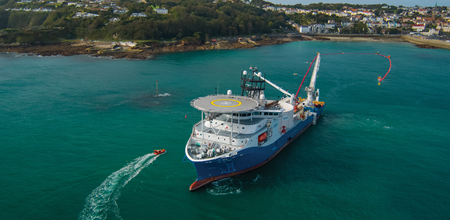
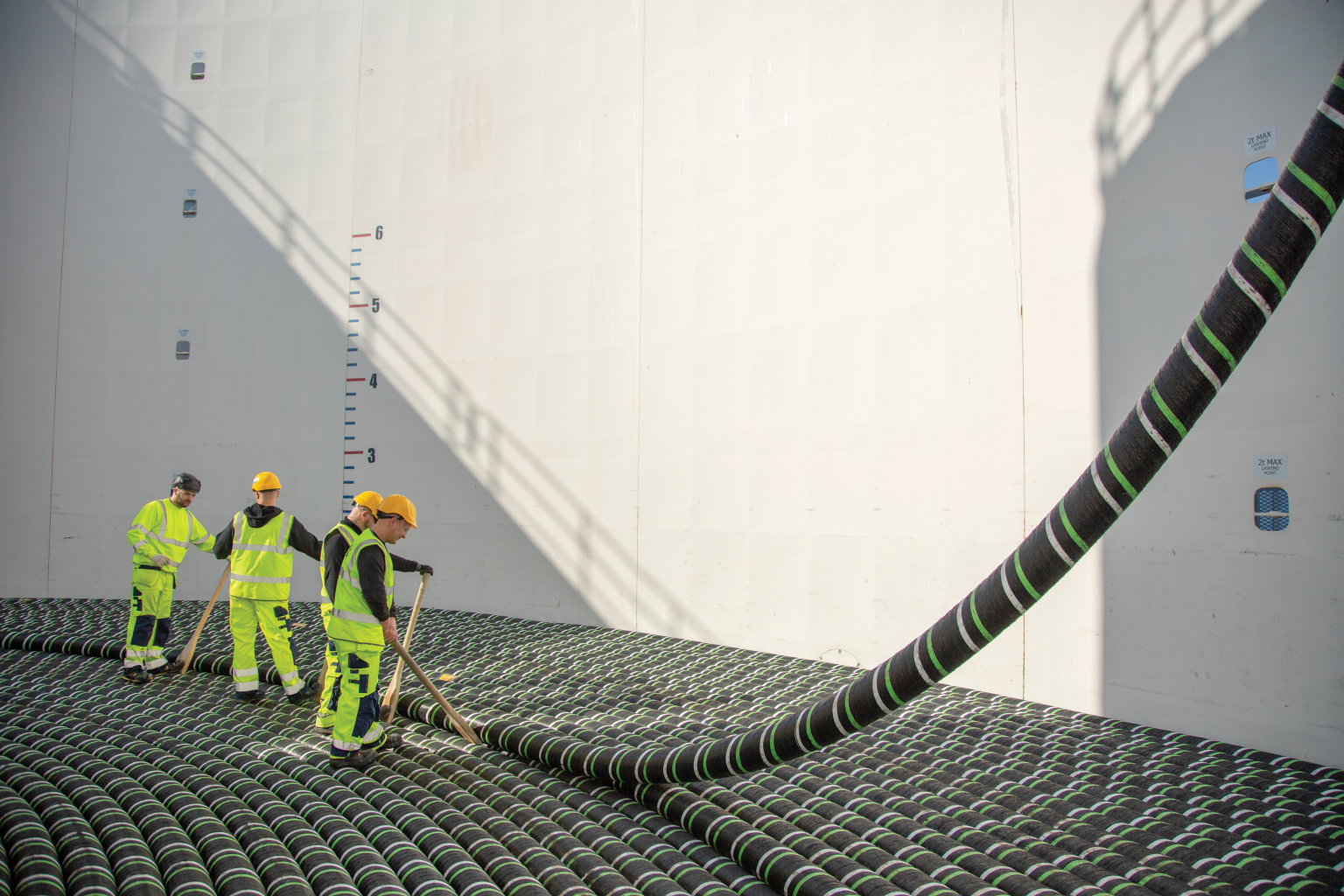
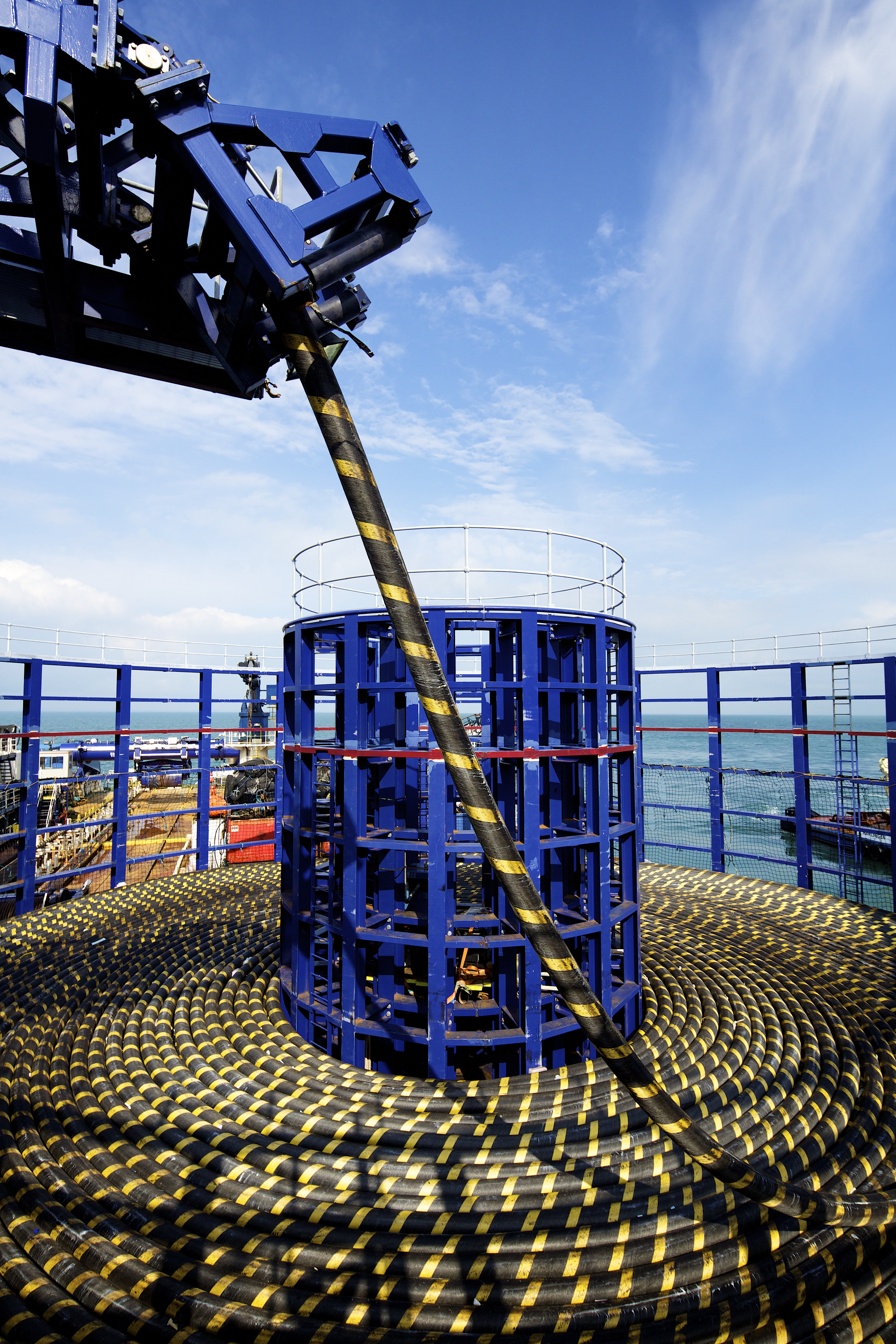
But what brings most of what you want to life? Energy. For your inanimate loved ones, their main electrical lifeline is Guernsey’s interconnector. This undersea power cable connecting Guernsey to France (via Jersey) is our single, direct contact with the outside energy world. Without ships, tankers, or volatile petrochemical markets, we can reach into the European grid and import most of our electricity from low‑carbon, clean sources such as hydropower, nuclear, wind and solar.
“It costs more to generate electricity here on‑island than to import it from Europe. We import around 90% of our electricity from the European grid via a subsea cable from certified‑renewable, low‑carbon sources. Our on‑island power station will top up this supply when islanders’ electricity demand is high, which is more costly and less environmentally friendly.”
For the last 25 years, our first interconnector quietly proved the concept works as its 60 Megawatt (MW) capacity secured access to a reliable supply of low‑carbon power.
- We benefit from economies of scale
- Carbon emissions dropped by nearly 40%
- Our energy budgets stabilised through access to competitive European markets
- Guernsey no longer relies solely on volatile fuel prices
Now in 2026, can the beating heart of island life maintain a ‘secure supply’ alone, or does it need a partner?
Not in my backyard
When dark, cold days drive up demand, or if the interconnector were to fail, our local fossil‑fuel power station must fire up as a top‑up and backup. It’s much like you having a diesel generator sat outside your house for when you use too much electricity, or if there were a power cut. It’s expensive, needs regular refuelling, and creates a lot of pollution in your back garden. Wouldn’t you rather have a better, cheaper, cleaner partner instead? Probably – us too!
In 2024, the power station burnt around 5,800 tonnes of fossil fuels. And as everyone pushes for more electricals, this enormous fuel demand will only grow.
The renewable riddle
As humans, we all love the idea of independence. If we had a local spring pouring out endless free energy, we may have hit peak evolution. We look to our roofs for solar, our shores for wind, and out to sea for something to gather energy using the ebb and flow of our (up to) ten metre tides.
Nature’s forces might be free, but would you be willing to work for free to design, build, install, maintain and manage a complex system that helps power tens of thousands of properties? You’d also need to know when and how to switch nature off (for free, of course).
But why would we want to switch off clean power?
It’s a beautifully perverse problem dictated by the binding laws of physics. Energy, something we’ve coveted since day one, cannot be created or destroyed; it can only transform.
On a hot, sunny July day, solar panels produce a sudden, huge surge of extra energy that nobody needs. If you were feeling warm sand beneath your toes on Cobo that day, it’s unlikely you’ll appreciate that extra free energy to power the electric heating system you’re not using.
That’s where the Law of Diminishing Returns makes an unwelcome entry; too much of anything, even renewable energy, can suddenly have reducing (even zero) value. Or worse, it could destabilise the grid. We’d literally pay to get rid of electricity.
Local renewables alone would be high maintenance and costly. Particularly tidal, which, at the moment, would cost tariff payers too much to build and operate. Alongside the battery system needed to manage the intermittent nature of these homegrown renewables. A pill that’s hard to swallow remains; Guernsey’s market, akin to a small UK town, isn’t big enough to sustain its entire reliance on on‑island renewables.
So as we race into a future with more heating, transport, and properties that rely heavily on electricity, we find ourselves going headfirst towards a peak of over 100MW. Yet, our current electricity lifeline to Europe is capped at 60MW.
Guernsey needs a solution that locks in security of supply – stable, clean, and competitively priced power – without the expensive headache of managing intermittent energy on our own.
The double lock security
We believe Guernsey should be even more connected to the same clean energy enjoyed by our neighbours in Europe. This means we need to increase our ‘security of supply’ to guarantee electricity is always available every time you flip a switch.
The issue we have with our current link is that it doesn’t deliver us enough power anymore: we need a second interconnector.
Those who remember the days of regular power cuts pre‑2000 will agree that the ‘GJ1’ (Guernsey‑Jersey 1) interconnector has been a reliable, secure, and clean source of power.
We don’t need to reinvent the wheel – we need more power and security.
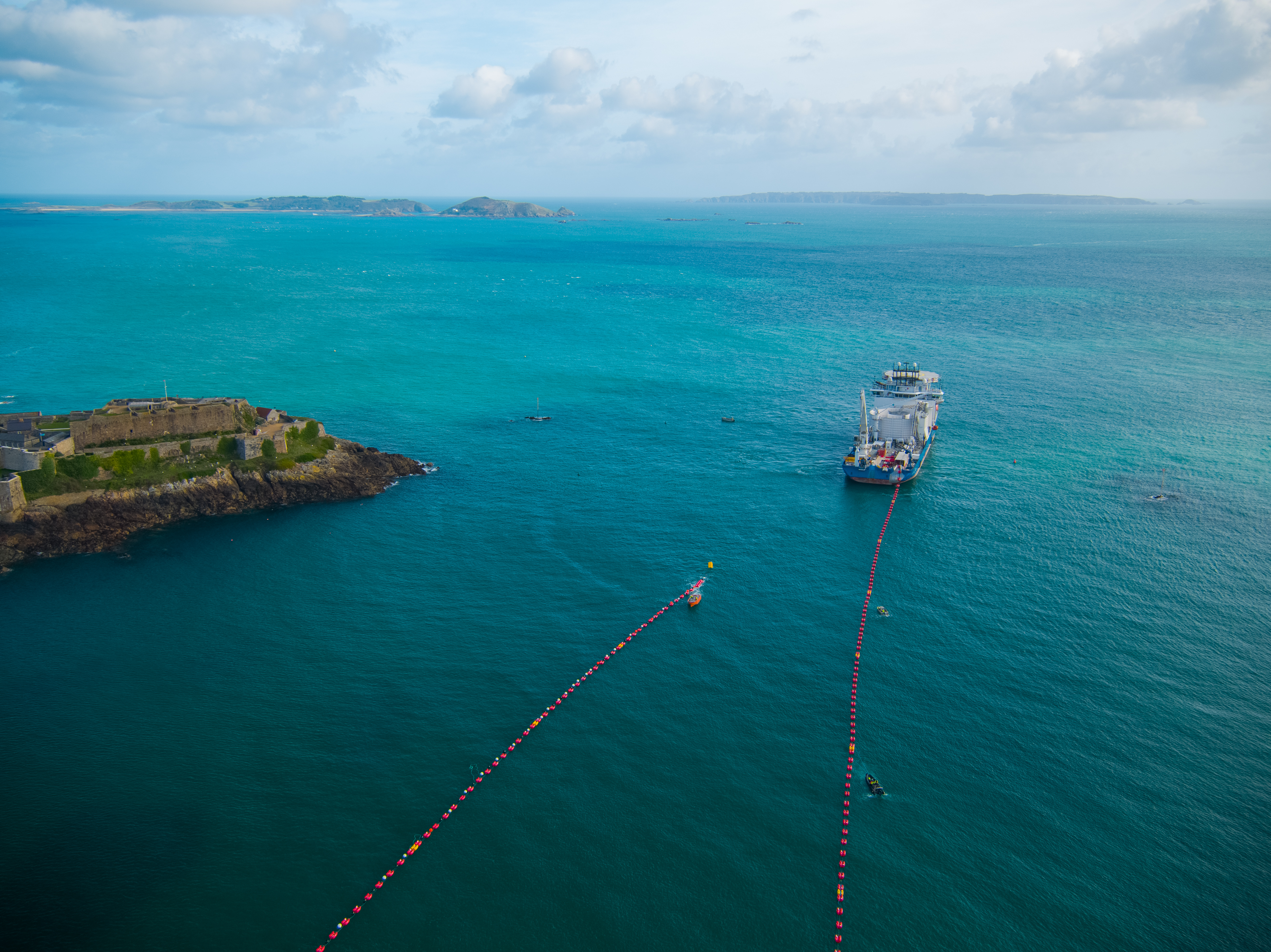
That’s why a second interconnector/undersea cable is so critical to island life. Using a tried and tested system that we know works well, we can import more clean, secure and affordable energy to power our modern lives, just when we need more electricity.