Powering Life in Off-Peak

Your cheap rate times haven't changed - we just need to move more off-peak
Use, run and charge electrical appliances off peak.
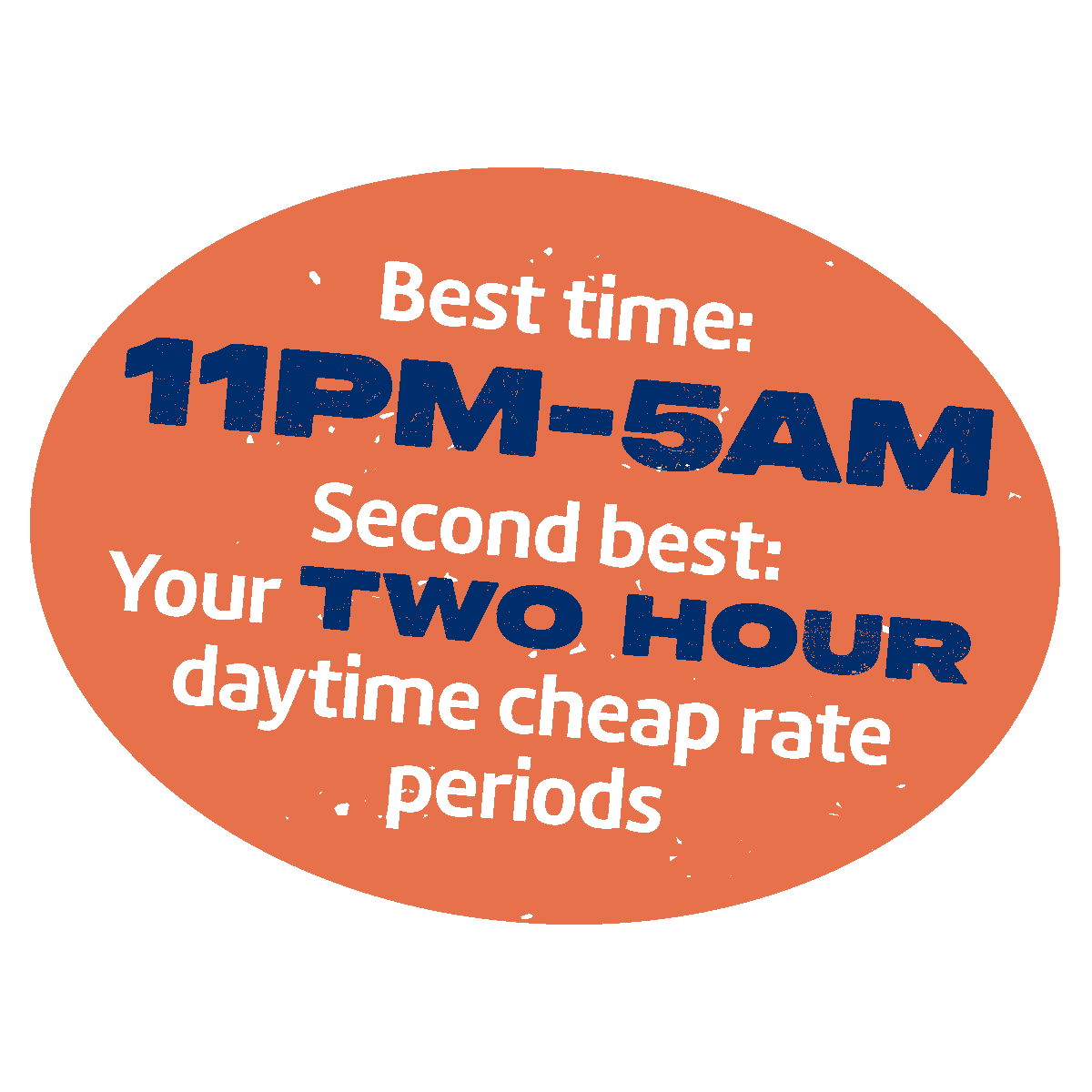
Best time
- Set the delay timers to use, run or charge electricals overnight between 11pm and 5am.
- Cheapest and cleanest time to use electricity in Guernsey
Second best time
- Between 10am and 4pm, as less people are using electricity. Make sure to use your two hour daytime cheap rate periods which you'll find on the back of your electricity bill.
- Cheaper and cleaner than using electricity at other times of day (generally the worst times are 5am to 10am, and particularly 5pm to 11pm).
-
![]() Fire AlarmsHave alarms fitted in kitchens, utility rooms, and on every landing. Test them weekly.
Fire AlarmsHave alarms fitted in kitchens, utility rooms, and on every landing. Test them weekly. -
![]() MaintenanceClean appliances weekly, e.g. always remove lint from tumble dryer filters and visually inspect cables and sockets regularly for damage
MaintenanceClean appliances weekly, e.g. always remove lint from tumble dryer filters and visually inspect cables and sockets regularly for damage -
![]() ServicingService all appliances according to manufacturer recommendations.
ServicingService all appliances according to manufacturer recommendations. -
![]() OverloadingNever exceed the power capacity of extension leads or smart plugs; check the underside for limits.
OverloadingNever exceed the power capacity of extension leads or smart plugs; check the underside for limits.


These are really important steps that can't be ignored. If you're in any doubt, please only change the timers on your hot water cylinders.
What is 'Peak Demand'?
Peak demand is the time when consumer demand for electricity is at its highest.
What can you do? Try not to use electricity where possible between 5am to 10am, and particularly 5pm to 11pm.
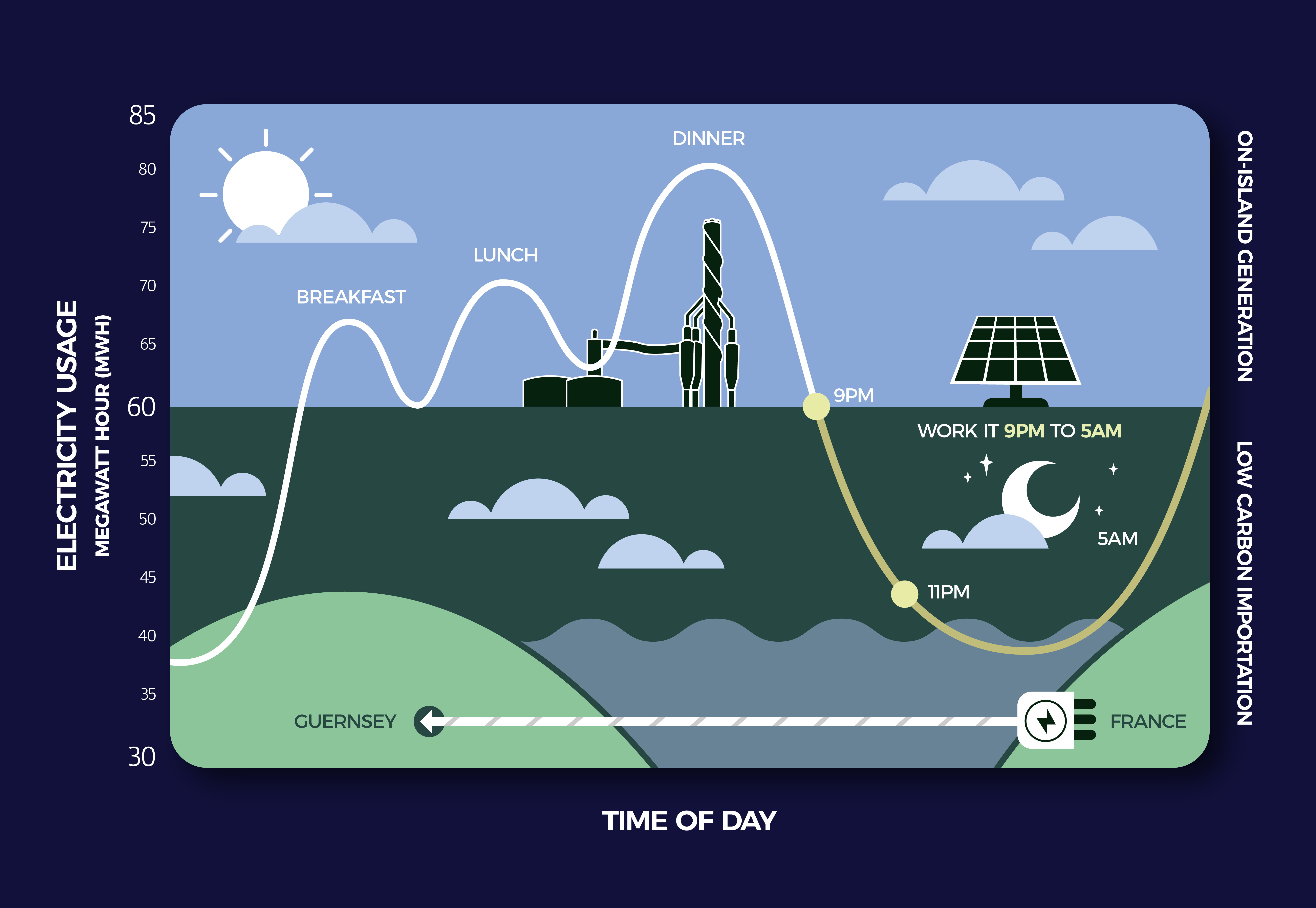
Peaks are usually around breakfast, lunch and dinner, and they exist simply because more people are indoors when its cold and dark and using electrical equipment to power their lives.
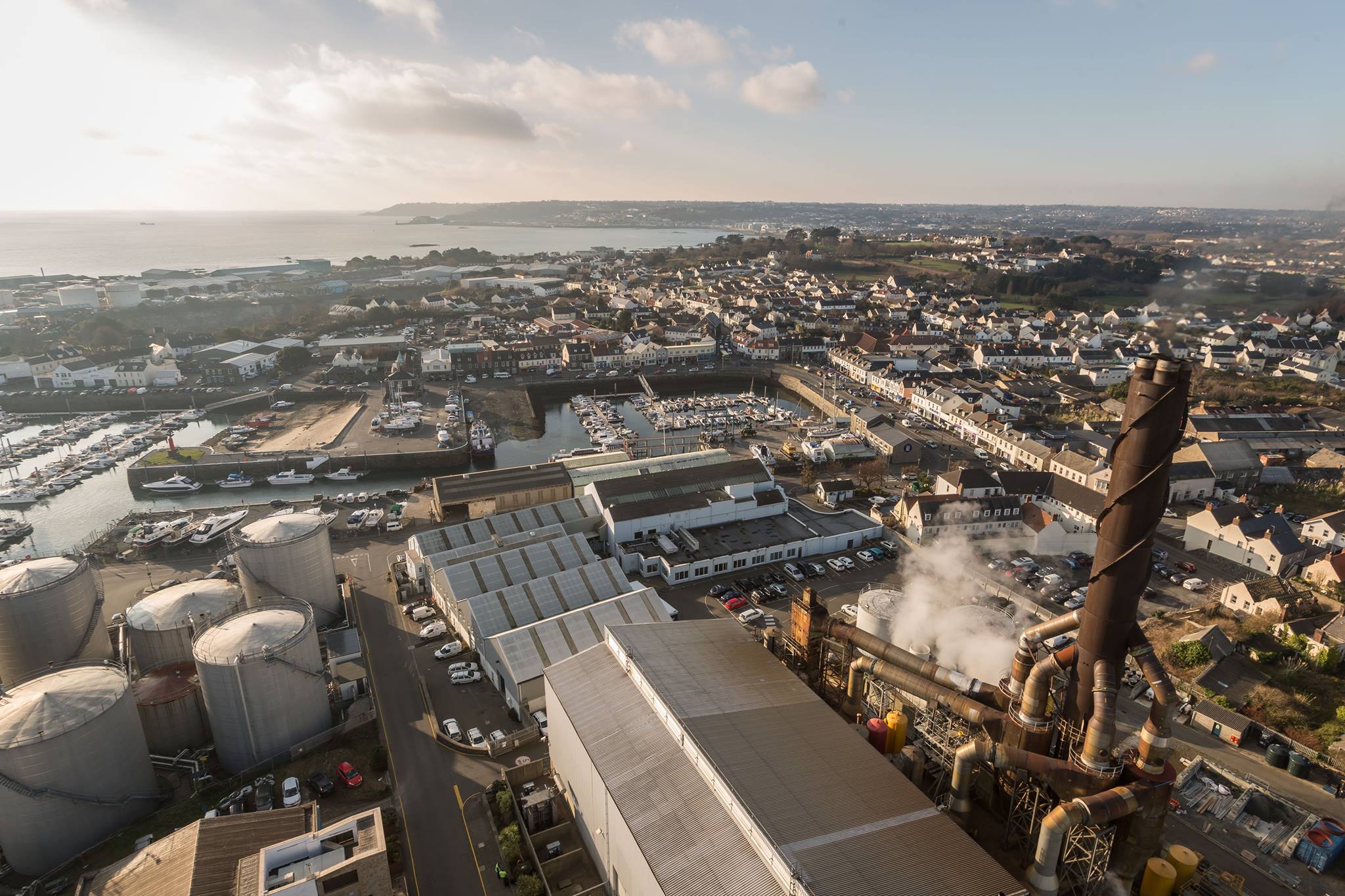
In Guernsey, we import around 60MW of low-carbon energy from the European grid. But when customers demand more than 60MW of electricity, this must be topped up using fossil-fuel generators at the Vale Power Station.
Using electricity during peak times will increase Guernsey's greenhouse gas emissions - especially during the colder, darker months. Plus, the wear and tear on equipment will need paying for too.
Less pressure on the power station = less local air pollution, less pricey maintenance, less repair.
Want some help reducing your reliance on fossil-fuels? Find out more about our services designed to help islanders get energy smart.
Here's an example
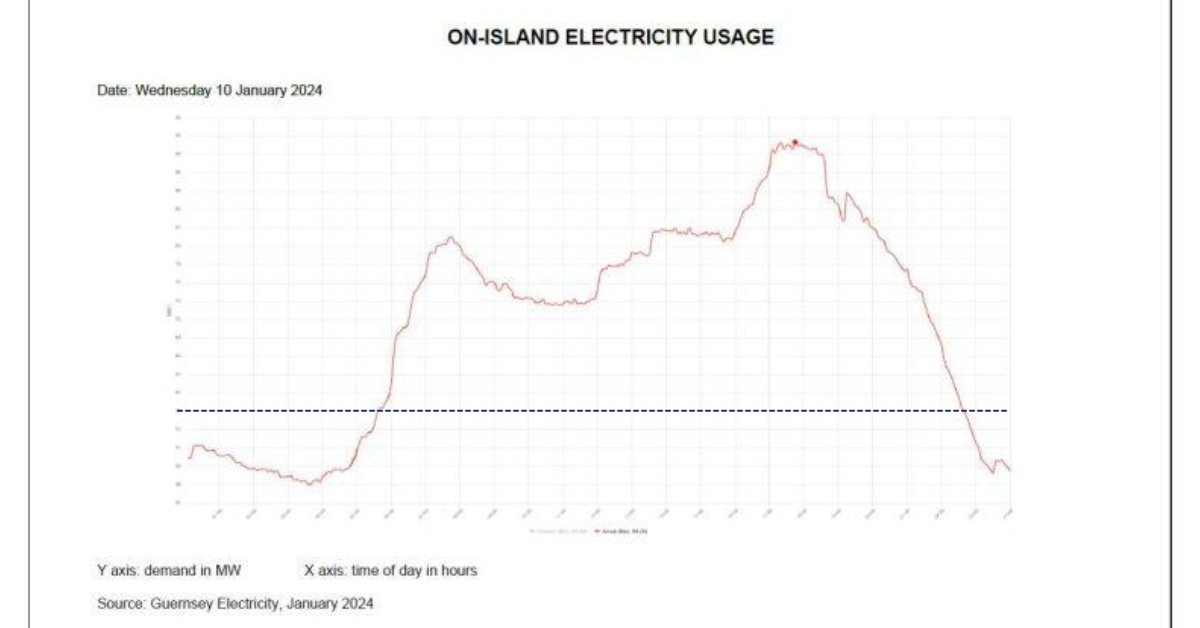
In January 2024, Guernsey reached its highest demand at 94.2MW in response to cold winter weather that week.
As mentioned in the news, Jon Sexton, Head of Engineering and Design at Guernsey Electricity, said: “The maximum energy we can import through the subsea cable is 60MW, which means that generators at the Vale Power Station were required to meet the additional demand."
This meant we needed fossil-fuels at the power station to meet the extra demand - for ease of reference, the 60MW importation capacity has been marked up below.
It's only natural to use more electricity during colder, darker months - meaning it's even more important to be mindful of the electricity we're using and move what we can to the cleaner, off-peak periods between 11pm and 5am.
How can I use low-carbon electricity?
Where possible, move as much electricity use as you can to between 11pm and 5am.
The best appliances to use 'off peak' are those with in-built time delays, such as:
- Hot water cylinders
- Electric vehicle charging
- Dishwashers
- Washing machines
- Tumble dryers
Don’t have built-in timers?
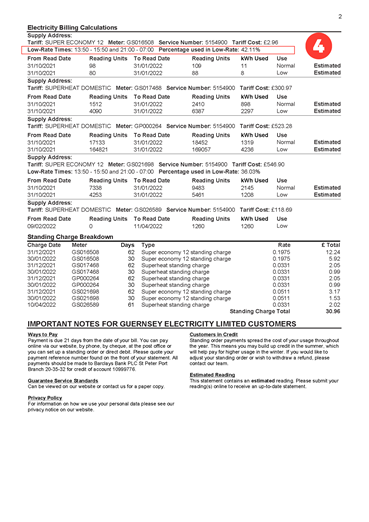
Hold off on using these appliances around breakfast and dinner until later in the evening. Any time from 9pm works well, provided this is on or before your Super Economy 12 low-rate time band.
Find your specific time bands on the back of your electricity bill
Here’s an example:
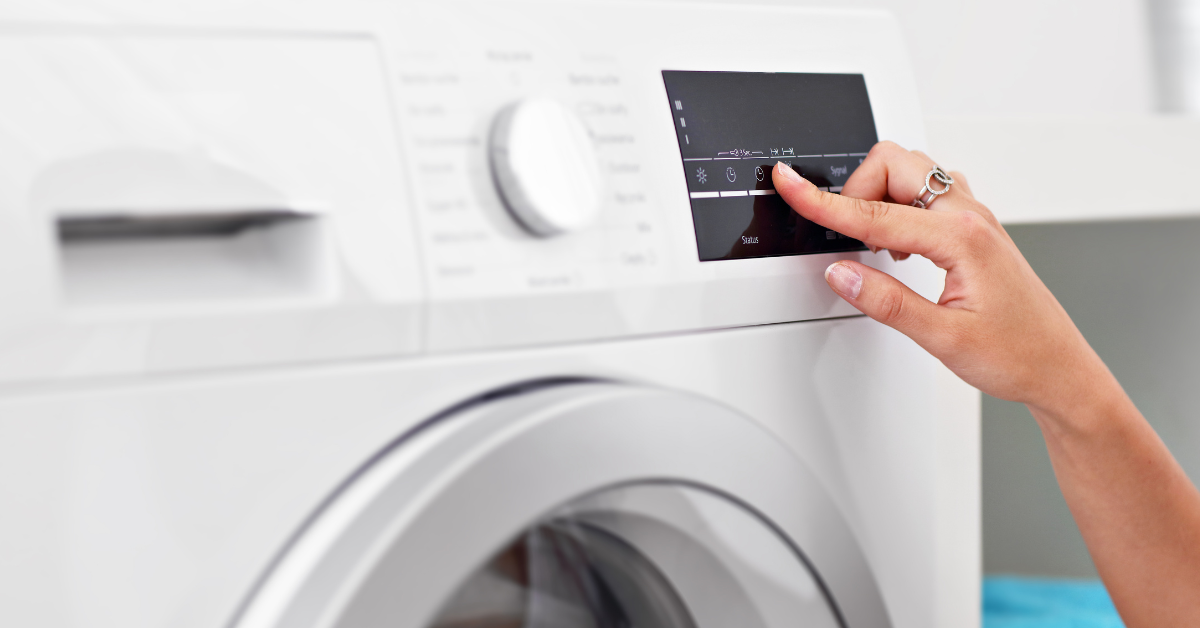
A quick one hour washing machine cycle at 6pm or 7pm, especially during winter, means using fossil-fuels to generate the power.
In other words, you’re cleaning your clothes using fossil-fuels
But if you set a time delay to start much later, you could get your clothes clean using cheaper, low-carbon energy, as electricity demand is so low overnight.
Cleaner energy for cleaner clothes.
Plus, using a longer 'EcoMode' should help save you money too as it actually uses less electricity and less water. Particularly if you’re on the Super Economy 12 tariff which uses electricity that's over 50% cheaper than earlier in the day. Look after those pennies, as over time it all adds up!
How can I spend less money?
Bad habits cost you money, and when it comes to electricity there are so many ways people can reduce their bills. Why pay for electricity you aren't using?
First, a few things to check.
- Are you on the Super Economy 12 Tariff? If not, sign up today
- What are your low-rate times? If you're not sure, check the back of your electricity statement
- Do your appliances have time delays? If not, try using a smart plug for plug-in appliances
Once you're all set with your low-rate times, simply use your electrical appliances as much as possible when it's over 50% cheaper to use. It's a win-win for your wallet and the planet.
Or if you'd prefer someone to visit your home and help save energy for you, why not book in a home visit with one of our Energy Savers.

Want to stay in the know about our island's electricity?
-
![]() 11 March 2026
11 March 2026Monthly Meets - Meet Shaun
This month we are taking a glimpse of what it's like be the Head of Commercial for Guernsey Electricity, meet Shaun Prinsloo. -
![]() 1 March 2026
1 March 2026Step Behind the Scenes: The Power Station Tour
Join us and discover the hidden heart behind Guernsey’s modern life during 2026. -
![]() 5 January 2026
5 January 2026"Have you ever thought about a career in this?" When three people said 'yes'
For the first time ever, we have three female apprentices working with us - Lauren, Skye and Jenny. They’re each carving out their own path in traditionally male‑dominated trades and here's what they had to say about their experiences so far