Did you know people often pay for heat they never get to enjoy?
In many Guernsey homes, poor insulation acts like a sieve. It forces your heating system onto a treadmill, working up an expensive sweat just to replace the heat that’s constantly leaking through the seams of your property.

Insulation: Biggest to Lowest Impact on your Energy Bills
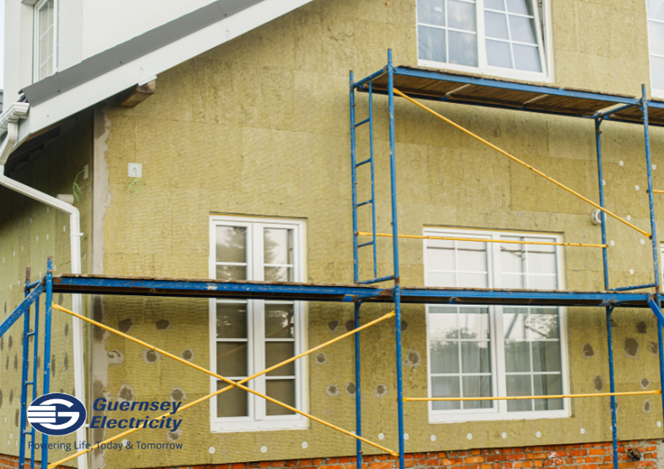
Walls
By far the biggest culprit behind big heating bills, your walls add around 35% to your total heat loss tab. Options are either cavity or solid wall insulation, with houses built in the last 20 years or so already having some wall insulation as part of building regulations.
When was your house built?
Pre 1950: Solid blockwork or granite construction that will need internal and/or external ‘solid wall’ insulation
1950’s/60’s: Introduction of cavity wall construction in Guernsey, giving you the option for ‘cavity wall’ insulation
2012: The local Guernsey Technical Standard was introduced and since that time, the thermal performance levels have gradually increased.
Loft
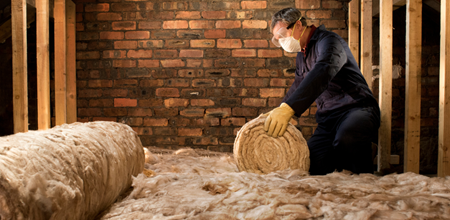
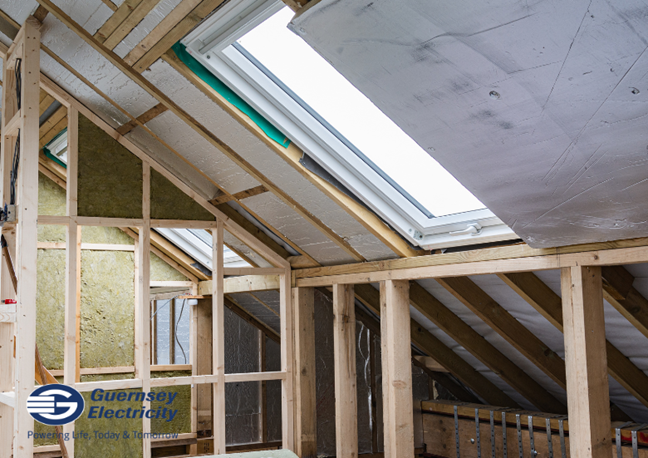
We’ve all heard heat rises. But without protection, your heat heads straight for the rafters, taking around a quarter of your heat loss right through the roof with it
Think of loft insulation like a woolly hat. You can either roll out some low-cost fibre quilt insulation for the floor, or if you’ve got a bigger budget, get rigid insulation fitted between the rafters.
Windows
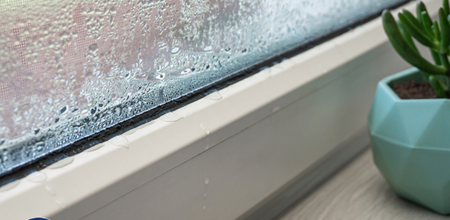
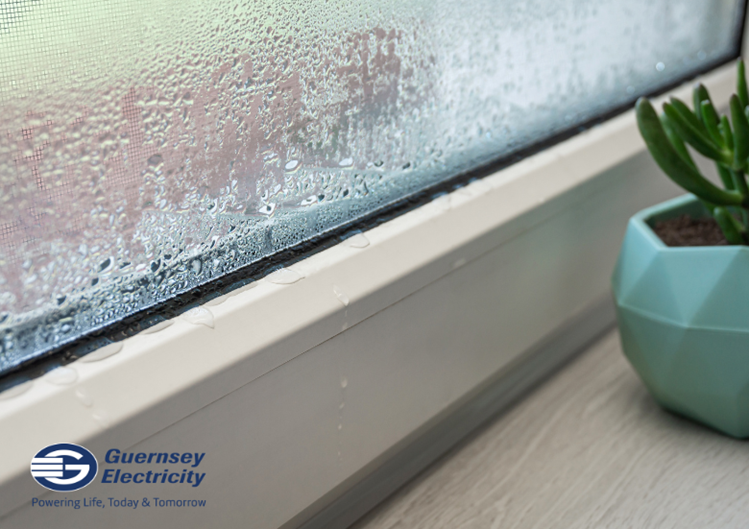
If your property was built before the 1980’s, it’s likely you’ve got old double glazing. And if there’s any condensation in the windowpanes, they’re no longer keeping the heat in for you anymore.
You don’t always need a full set of replacement windows though, as a glazer can replace single failed panes.
Floors
Combined, cold floors and draughty gaps can add up to nearly a third of your heat loss.
Ideally, you’ll have thermal insulation under floors. But it’s not always easy to install if you need to do it retrospectively.
That’s why carpets, rugs and draught excluders can really help make a difference to your heating bill during winter.
Pipes
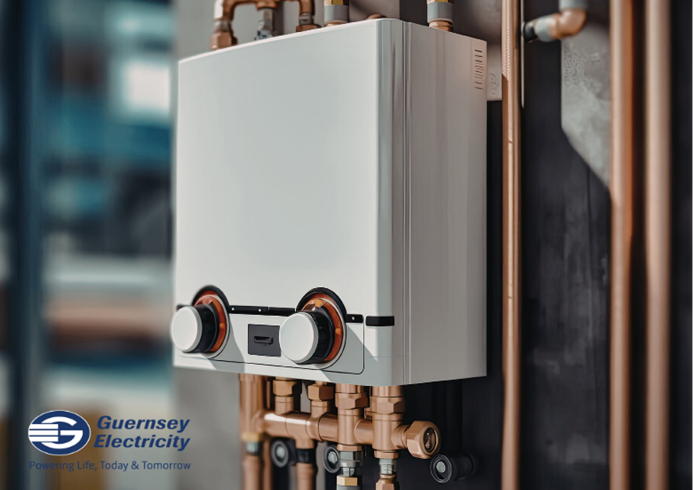
If you’ve got any exposed copper pipes in your house, they’re busy letting all that decadent heat escape while the hot water races around your plumbing system.
There’s an easy fix – pipe lagging. And, if the weather gets really cold, lagging could stop the pipes in your attic from bursting – so pipe lagging really is a must.