If you’re on the Super Economy 12 tariff, you can heat your water when electricity is cheapest and lowest carbon, between 11pm and 5am.
- Set your hot water cylinder to heat overnight
- Use the boost option during your two-hour daytime cheap rate if you need a top‑up
- Fit a timer if you don’t already have one – speak to your preferred electrician
Shifting hot water use away from peak times helps spread electricity demand more evenly throughout the day, reducing the need for costly long‑term grid investment.

Your electric heating installer will need to apply to Guernsey Electricity for ‘additional load’ to check that there is enough cable capacity in your local area to supply a new heating system.
The most and least likely types of electric heating to be accepted on the network are
- Off-peak storage heating
- Air source heat pumps
- Electric panel/underfloor heating
- Electric flow boilers
- Electric combi boilers

Your heating and hot water don’t need to run all day.
Check:
- Can the heating run for fewer hours?
- Does your hot water cylinder heat your water overnight?
- Are heating timers matched to when you’re actually at home?
- Turn your thermostat down by just one degree as this can make a noticeable difference to your energy use.
Small adjustments, done once, will give you savings every day.

Whatever heating system you use, insulation makes a huge difference. Better loft, wall, window, floor and draught insulation means:
- Lower heating bills
- Less carbon emissions
- Increased property value
- A more comfortable home year‑round
Find more about insulation here.
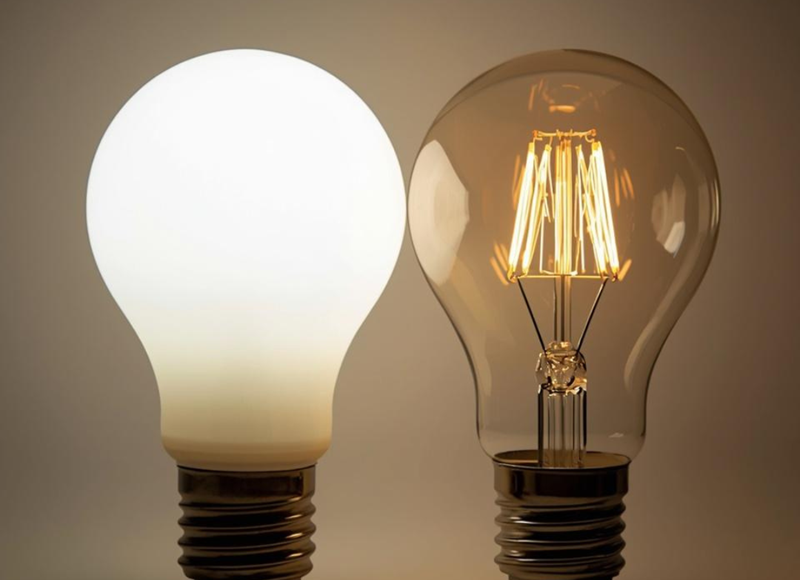
Lighting is one of the easiest wins for your wallet.
Switching to LED bulbs uses far less electricity and they last much longer.
Check the energy label and aim for A or B‑rated products wherever possible.

Electric vehicles pair perfectly with off‑peak electricity.
Most home chargers let you schedule charging, so your car can automatically charge overnight between 11pm and 5am, using lower‑cost, lower‑carbon electricity.

Many washers, dryers and dishwashers have a delay start function – perfect for off‑peak use. Set them to run overnight between 11pm and 5am to make the most of your cheaper, cleaner electricity without changing your routine.
It isn’t as clean to use appliances during the day as we need to use fossil-fuels at the power station to supply the electricity you need.
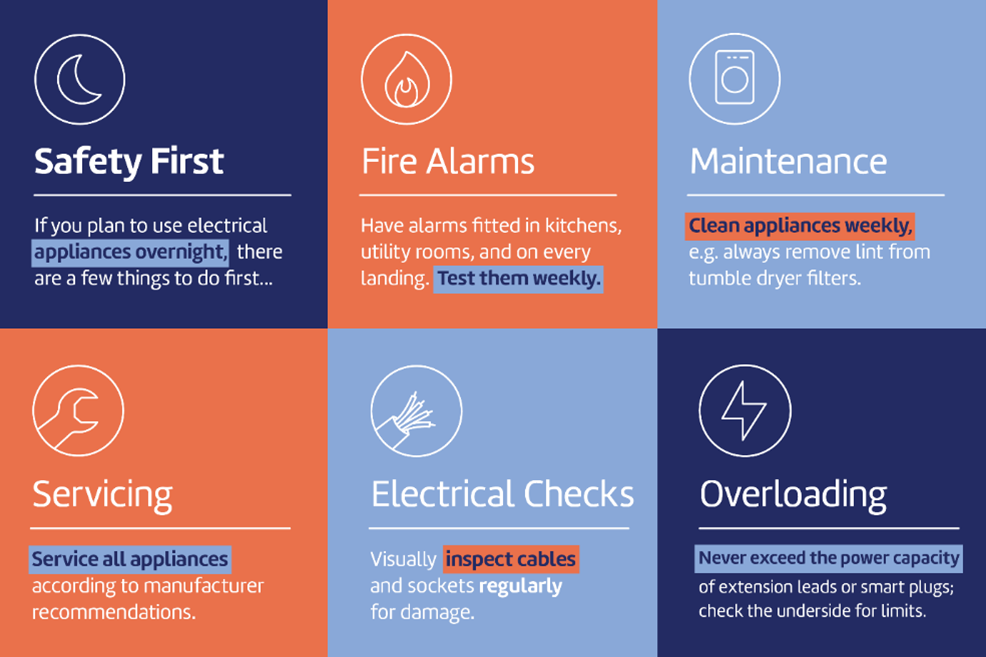
Safety first
Please always put the health and safety of you and your family first by doing these regular checks before putting any appliances on overnight.
What if I need to run something during the day?
Your cheap rate times are not changing, 11pm to 5am is just the best time for everyone to use electricity as we don’t need to rely on fossil-fuels at the power station to generate electricity.
Check the back of your electricity statement for your specific time bands under the section called Electricity Billing Calculations.
Small changes. Real impact.
By using electricity off‑peak, you can lower your bills, cut carbon emissions, and reduce future tariff rises. Overnight, Guernsey uses low‑carbon imported electricity including hydro, wind and solar power, reducing reliance on the power station at busy times.
When lots of households do this, it’ll help reduce future tariff rises as it costs a huge amount of money to meet islander's increasing electricity demand using the power station during 'peak' times.