‘The big break for island life was our ‘subsea’ cable connection – the Guernsey-Jersey (GJ1) interconnector. This needed a monumental feat of engineering and high-level international diplomacy never before seen in the island, negotiating access through Jersey waters and securing long-term supply agreements with French energy giant, EDF’
Let’s try a quiet thought experiment. Imagine Guernsey as it was before the turn of the millennium, a time when we partied like it was 1999, and our reach into the outside world didn’t exist yet.
Back then, getting the candles out wasn’t limited to romantic gestures or dinner party extras. It was a practised drill, with sudden, unexpected hunts for the matches and torches during a power cut, something of a normal occurrence. But the charm of those flickering lights couldn’t hide the heavy reality of increasing air pollution in our local air.
Keeping Guernsey running meant burning several tonnes of heavy fuel oil here on island, 24 hours a day, every day of the year.
HOW WE USED TO MAKE POWER
Jump into a solar-powered time machine and travel back with us to the 1990s, where the mechanical heartbeat of Guernsey came from a single site.
Back then, the Vale Power Station was our headline act. Every watt used to charge a brick-sized mobile phone or whirring fax machine was powered by carbon‑heavy fossil fuels.
THE EDGE OF THE BARREL
We’re waking up on a cold February morning in 1990. As thousands of kettles click on at the same time, our dawn shift engineers in the Vale are on their daily race against the clock to physically ramp up the massive, oil‑hungry engines and chase that demand for a hot cuppa. This was ‘peak demand’ in its rawest form. If one generator faltered, there was no help coming from overseas – it simply meant lost power and candlelit kitchens.
With electricity prices fully tethered to the volatile cost of oil, there was no shock absorber. Imagine right now we’re staring down the barrel of the ‘1990 oil price shock’, with crude prices due to double over the next few months. The cost to generate every single kilowatt-hour here in Guernsey will surge, creating a fog of uncertainty, particularly for local business.
How could a hotel or growing finance firm forecast overheads when Guernsey’s energy supply was 100% tied to the fluctuations of global oil markets thousands of miles away?
We were keeping the island moving, one barrel of oil at a time.
GREEN AWAKENING
While Guernsey wrestled with oil drums, an energy evolution was beginning just over the horizon.
We’ll refuel with some pricey oil from 1990 and journey back to the 1970s, the decade of flares, funk, and when the 1973 energy crisis sparked a massive investment in energy that doesn’t run out.
In France, the Rance Tidal Power Station – the first in the world – was already showing how the moon’s pull on the tides could be captured to light up thousands of homes. Massive hydroelectric dams in the Alps were turning falling water into the juice of modern life. And, fuelled by the sting of the oil crisis, a young Danish boy designed a wind turbine to power his parents’ farm – a DIY project that eventually became known as the ‘Danish Concept’ and used since the 1980s.
This endless, low‑carbon power became known as ‘green energy’, representing the power sources the Earth refills for us.
CHANGING THE STATUS QUO
In the 1990s, it became clear ‘business as usual’ was no longer working for Guernsey, as our demand for power would only increase.
That meant the States of Guernsey faced a critical capital expenditure crossroads and had to decide if we should stop performing as a solo act and join a more resilient framework.
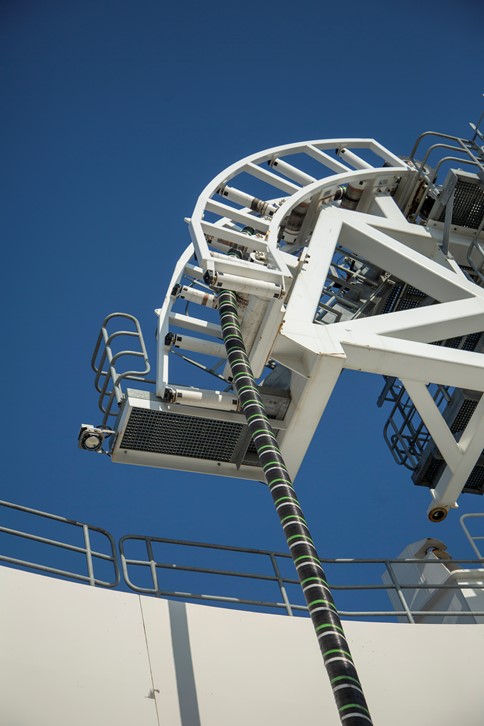
The big break for island life was our ‘subsea’ cable connection – the Guernsey‑Jersey (GJ1) interconnector. This needed a monumental feat of engineering and high‑level international diplomacy never before seen in the island, negotiating access through Jersey waters and securing long‑term supply agreements with French energy giant, EDF.
More than just buying a subsea cable, this was about integrating our isolated network into the massive, harmonised power of the European grid.
In the year 2000, we plugged Guernsey into a diversified energy portfolio.
We traded the logistical headache of more frequent fuel deliveries for a steady, reliable current of low‑carbon energy straight from the clean reserves of Europe.
This strategy de‑risked our energy supply, reduced our carbon emissions by almost 40% on 1990s’ levels, and helped provide more price certainty for local business.
BACK TO THE PRESENT
Taking a round trip back to 2026, we now enjoy cleaner air locally, and candlelit emergencies have largely faded into memory. In fact, from a recent customer survey, we found that 43% of islanders say they’re not at all concerned about having a power cut.
But hunger for energy is only increasing, so Guernsey must take its next step.
That’s why we’re working on plans for our second interconnector – not as a backup, but as a strategic expansion to allow even more low‑carbon power to flow to our shores.
This second connection to Europe will make our power supply more resilient, secure, and reduce our reliance on burning fossil fuels at the power station to top up electricity during winter.
And if you’re still humming that tune, Prince’s ‘1999’ was released in 1982 – a time when we still had overhead power line cables criss‑crossing the island. But finance industry growth and increasing home appliances sent power demand soaring, and our old ‘B’ station was hitting its limit. This paved the way for ‘D’ station, which houses some of the massive generators we still rely on today.
If you would like to see inside the power station this summer, find out more here
Guernsey Power Station Tours | Get your free ticket | Guernsey Electricity