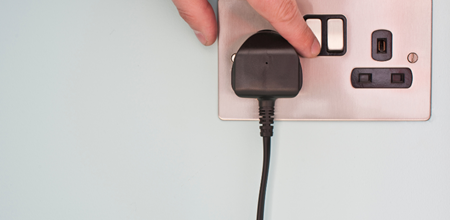
What is plug-in solar?
They won't generate as much power as a full rooftop solar system, but they can offer a simple, cheaper introduction to solar energy for some households. However older electrical installations may not be designed to cope with a plug-in solar system, so you should have your wiring inspected by a qualified electrician first, particularly if the equipment will be connected through existing socket outlets or consumer units.
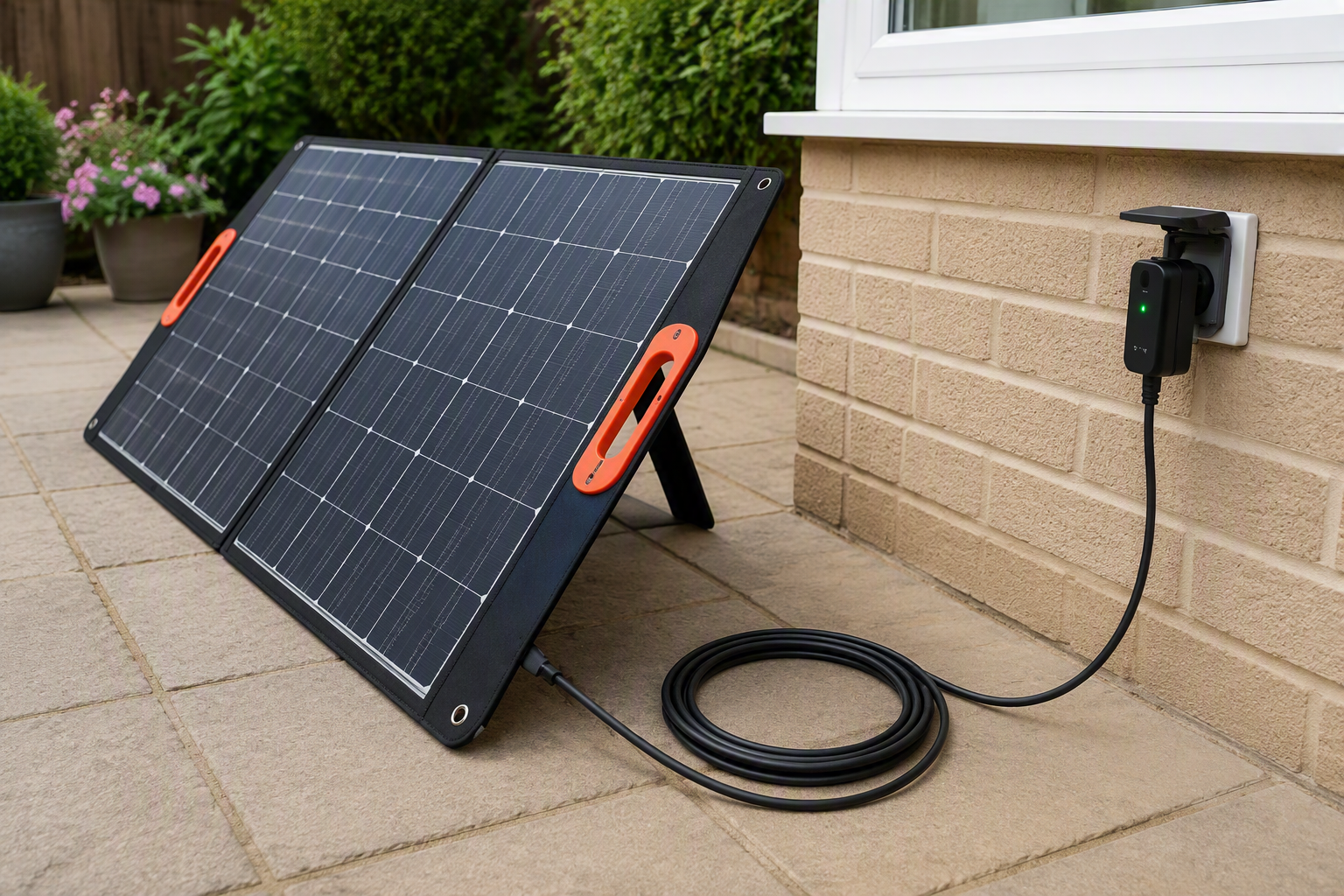
Think of them as mini solar panels you can plug into your home to generate some of your own electricity, rather than having solar panels permanently fixed to your roof by an installer.
What do I need to consider first?
Is the plug-in solar equipment from a reputable supplier?
Products bought online from overseas may not meet local fire safety or grid connection requirements.
Please check for testing, certification and manufacturer support before buying.
- Look for clear evidence that the equipment has been independently tested
- Find the recognised safety certification, including anti-islanding protection
- The inverter should comply with ENA Engineering Recommendations G98 and BS 7671 (IET Wiring Regulations)
- Check for installation instructions, a warranty and manufacturer support.
Is the plug-in solar approved to use in our jurisdiction?
An inverter is the "brains" of a solar system that converts electricity from solar panels into power for your lights, appliances and sockets.
Any inverter, solar system, battery system, or generator has to comply with recognised electrical and safety standards and should be approved for connection to the electricity network in your local area.
Unsuitable or poorly designed equipment is very risky and may cause overheating, wiring damage and/or fire. Please seek evidence of testing, certification, and manufacturer support before purchase.
Do I need to notify Guernsey Electricity?
Yes, as it's connected to your electricity system, you'll always need to let Guernsey Electricity know as soon as possible.
How to let us know about your solar installation
Is my property's wiring suitable?
Please check your wiring is suitable for 'embedded' generation.
Before using plug-in solar, we recommend asking your preferred electrician to inspect your property wiring to make sure it is designed for 'embedded' generation.
Older electrical installations may not be designed for this new type of technology, particularly where equipment needs to be connected through existing socket outlets or consumer units/fuse board.
Your new equipment should also include 'anti-islanding' protection, a safety feature that automatically switches a solar system off when there's a power cut to protect you and those visiting your property. You may have a system which can supply your property from a battery during a power cut, but this must be safely designed to do so.
Will plug-in solar affect insurance or warranties?
The best option is to check whether the installation may affect building insurance, landlord permissions, lease conditions and manufacturer warranties.
Can I export power back to the grid?
Roof- or ground-mounted solar systems can export your excess electricity back to the network, but to gain any potential 'buy-back' payments, we need to know that you've got a solar system in place. You'll also need to first establish if your current electricity meter can export power.
Please register your roof- or ground- mounted solar system here
The mini solar systems are a familiar sight on balconies in Spain and in Germany, where they are known as a Balkonkraftwerk (balcony power plant)
Contact Us Before You Connect
- Plug-in solar
- Rooftop solar photovoltaic installations
- Battery energy storage systems
- Standby or backup generators
- Vehicle-to-home or vehicle-to-grid systems
- Any other form of parallel generation
If you're planning to install any of the above, please contact our friendly team at Guernsey Electricity first before buying any equipment to confirm applicable technical and connection requirements.