Make sure to ask the right questions about solar panels in Guernsey.
This guide will walk you through the key questions careful, informed homeowners have asked their preferred solar panel installer before accepting a quote.
Generating your own free, clean electricity is an exciting prospect, and we want to make sure islanders are handed the right information before making big investments of this scale.
Understand things upfront and you’ll be in a much stronger position to make informed decisions about solar panels.
Please be aware the Guernsey Electricity do not currently install solar panels in Guernsey.
Click here to jump to the list of questions to send your installer, or read on to understand things a bit better.
-
Can you explain how solar panels and battery storage systems work together?
Don’t get bogged down in technical jargon. As it’s a big initial outlay, it’s best to have a clear understanding from the start.
Solar photovoltaic panels
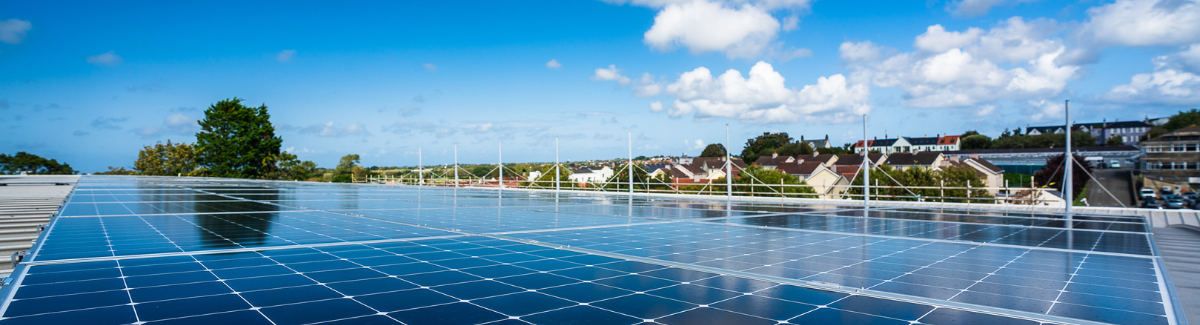
Known in the industry as ‘solar PV’, in Guernsey these are often installed on south-facing roofs to capture sunlight at its longest exposure.
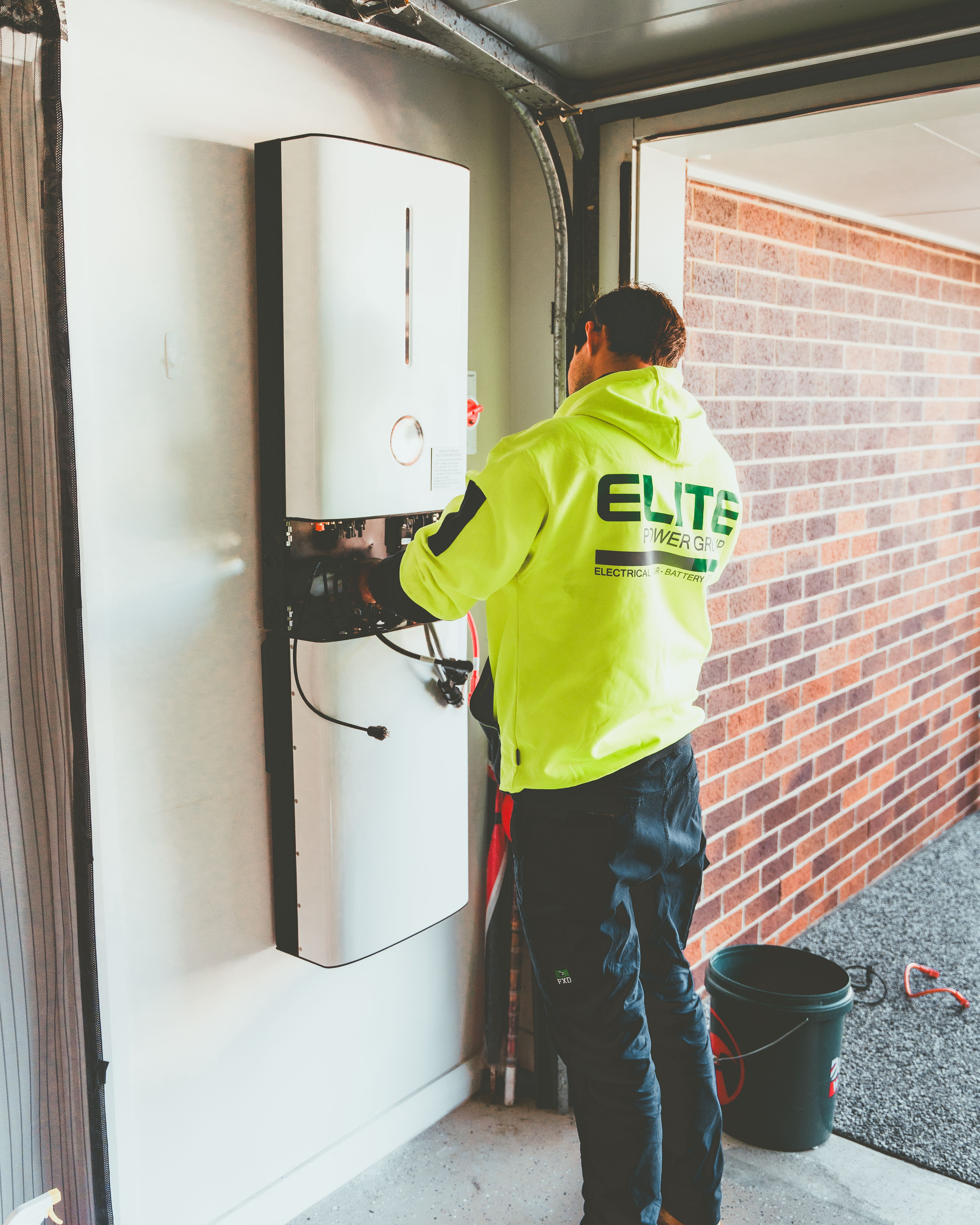
Solar panels convert solar energy into ‘direct current’ (DC) electricity. Then an ‘inverter’ installed in an indoor area or garage (often in the same location as your battery storage) converts this into ‘alternating current’ (AC) electricity, the standard power that will run your kettle, TV, fridge, etc.
Please also be aware that inverters and batteries can be sensitive to both extreme heat (such as summer heat waves) and damp.
Home battery storage
Solar panels only produce power when the sun is shining. If you don’t use it, you lose it*.
And if you’re relaxing on the beach while your solar panels are busy back home generating power, your solar panel system may switch off (more on this below).
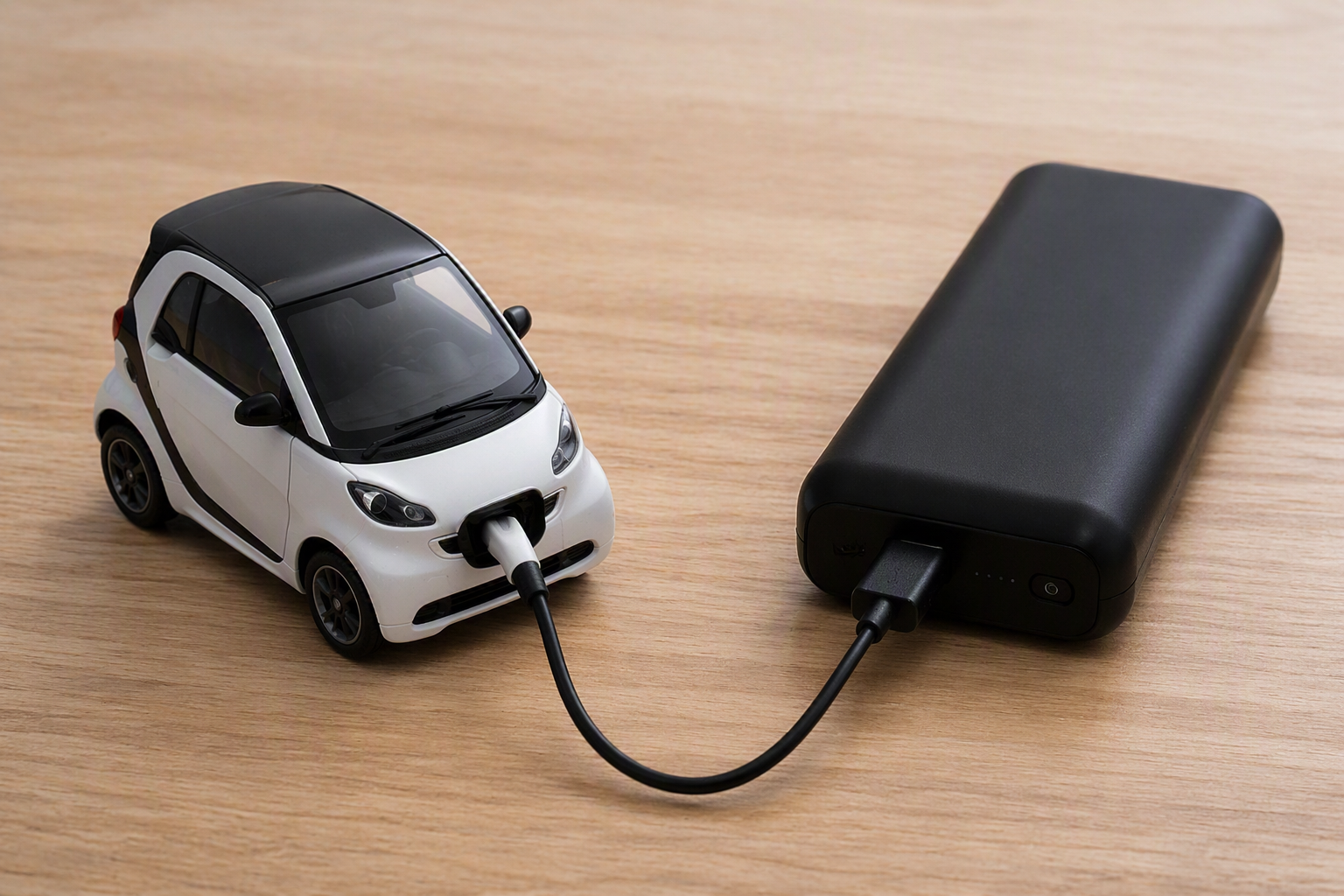
A home battery will store that excess daytime power, much like a power bank for recharging your phone. Instead of letting free energy slip through your fingers, store it for later, then when you’re back home using more electricity, tap into your own stored power instead of paying the ‘normal’ (higher) grid rate.
*Unless you’re set up on a ‘Buy Back’ tariff following an ‘EE40’ submission to Guernsey Electricity. Confused? We’ll talk about this later.
Find out more about battery storage here.
Ask your installer: Where will you install the inverter [and battery system if relevant] in my home, and do those chosen locations meet Guernsey’s specific building and safety regulations for temperature and ventilation?
-
How many solar panels do I need to install?
Don’t oversize. Panel count should match your core use - more panels means it'll cost you more to install, maintain and replace.
Your installer should first calculate the right system size based on how much electricity your property actually uses, and when you use it.
You can also check this out for yourself ahead of getting a quote. Just give Guernsey Electricity a ring on 01481 200700 Monday to Friday between 9am and 5pm, as they can pull your exact historical data* and tell you how many units (in kilowatt-hours/kWh) you use annually – particularly in winter.
Oversizing your solar panel system, particularly without battery storage, can be a waste of money if much of it goes unused.
Panel count should reflect how much electricity you use today. But, if you know that’s likely to change, you could go slightly bigger. For example, installing an electric vehicle charger, a hot tub, or even upgrading to an induction hob in the kitchen, will all add to your future power demand and bill.
*Technology is great, but sometimes things don’t go to plan. Especially if your meter depends on signal, as some properties (depending on location) have patchy data transmission. Please ask Guernsey Electricity: “Is my meter communicating properly, and is my usage data accurate enough for a solar installation quote?” If the data isn’t available an electrical contractor may be able to install a logger to track your electricity use for a period of time.
Ask your installer: Before providing a quote, please cross-reference the proposed system design with my actual electricity consumption data from Guernsey Electricity and avoid using an ‘average UK home’ template.
-
Can I use my solar installation to offset electric heating?
The quick answer is no - but this is rarely explained clearly.
- Solar panels connect to your ‘light and power’ meter, which supplies your everyday electricity (lighting, appliances, sockets).
- If your home has a separate electric heating meter (such as Superheat or Heatpump), your heating is billed separately to your lighting and power.
Because solar panels can only connect to a single electricity meter, they can only offset your light and power, not your electric heating. Solar-generated electricity can only flow through the electricity meter it's physically connected to.
The main exception is if you use an overnight storage heating system that runs from your light and power meter. This uses one of the cheapest heating tariffs in Guernsey by charging up overnight on lower-cost electricity. Solar can contribute indirectly, but this setup is different from most electric heating systems.
Ask your installer: As solar power cannot reduce my electric heating bills, based on how my home is metered, can you explain how my solar system will help offset my overall electricity use?

-
Should I get a home battery system?
If you can, it’s highly recommended.
Why sell your surplus for 9.9p then buy it back later for 27.77p? Save it instead.
*2026 figures – please check www.electricity.gg/tariffs for latest prices.
A battery will cost more upfront, but it can also make your solar system work harder for you. Ask your installer what it would cost to install a battery, and how long it could take to recover that investment through savings. Those saving calculations should factor in paying for your quarterly standing charge too.
Big Batteries
The best option is to:
- Find out how much electricity your property actually uses
- Install solar panels to power that usage in real-time, plus an extra buffer for future installations
- Save any excess electricity into a properly-sized battery system to use later
If you’re on the Super Economy 12 electricity tariff, you’ve got 12 hours of higher ‘normal rate’ electricity, and 12 hours of ‘low rate’ electricity, which is over 50% cheaper (10 hours overnight and two in the afternoon). Because the cheaper electricity is already available for half the day, the best time to use stored battery power is during the 12 higher-rate hours. Check the back of your bill to see when your cheap rate time bands are.
Ask your installer: Based on my property’s consumption, is this battery sized to cover my actual usage when my solar panels are unable to supply the power directly?
-
Will Guernsey Electricity buy my excess solar power?
Not necessarily. It depends how much power your neighbours and people living close by need (demand) at the exact time your solar panels are generating extra electricity over and above your needs (supply).
Because energy can’t be created or destroyed, unused solar power builds up, raises the voltage, then forces your panels to switch off temporarily.
Check with your installer what to do if this happens, and whether the system will automatically restart.
We’ve seen cases where systems switch off for safety reasons but don’t come back on automatically, meaning customers think they’re generating solar power when they’re not.
As your solar panels will work overtime on very sunny days, they'll produces far more power supply than your home actually needs. And all the solar panels around you are doing exactly the same.
The catch? The grid can’t take all that extra energy – because nobody needs it.
If you use a water butt to collect free rainwater, you’ll know that once it’s full, it’s full. The same goes for solar. We physically can’t push any more energy into a system people are not currently using.
Ask your installer: Does your payback calculation assume I will export every single spare unit of electricity, or is it safer to treat the non-guaranteed buy-back revenue as a helpful bonus only?

Can I get plug-in solar?
Please be aware: Plug-in solar should be properly designed and approved as these systems can create electrical safety risks, including overheating, fire, damage to wiring and hazards during power outages.
Plug-in solar systems are small solar panels that connect directly to a standard electrical socket, allowing homes to generate some of their own electricity. These systems can be used in Guernsey, but they must meet safety requirements and be notified to Guernsey Electricity before being connected.Find out more about Plug-in Solar
Guernsey Electricity
-
What is a ‘Buy-Back’ rate?
Did you know? It’s cheaper per unit for Guernsey to import clean energy from Europe or generate power locally at the power station than to pay individuals a buy-back rate for their surplus solar during sunny summer days.
As Guernsey Electricity are legally mandated to supply the cheapest possible electricity, paying artificially high buy-back rates to solar panel owners would mean thousands of local islanders who don’t have solar panels would need to subsidise those who do through higher electricity bills.
The best approach is to:
- Understand how much electricity your home uses
- Size your system to match it (with a small buffer for future needs), and, if possible;
- Install a correctly sized battery so you can store and use more of your own solar power.
Your installer will also need to send an private generation form (EE40) to Guernsey Electricity to register for your buy-back. This simply lets us know your system is exporting power, so we can record it properly and pay you for what you do send back.
Ask your installer: Will you provide me with a copy of the approved EE40 connection confirmation from Guernsey Electricity before installation begins to make sure I can receive buy-back payments where possible?
-
How will Guernsey’s weather affect my yields?
Solar panel brochures rarely get excited about grey January days in the Channel Islands. Like much of Britain, Guernsey sees plenty of cloud and shorter winter days, which means when we're all using the most electricity, solar generation is likely to be low. The maritime climate here means local weather patterns can create a direct mismatch between supply and demand.
- Winter: Even a large solar system can produce plenty of electricity on a sunny spring or summer day, when many people are out enjoying the island. But when demand is highest on a cold winter evening, rounding errors may show your solar generation producing closer to zero. At exactly the time you're using more lighting, heating and appliances, you may still need to rely heavily on electricity from the grid.
- Summer: During very sunny weather, some areas can generate more solar electricity than local homes are using. When that happens, voltage on the local network can rise. To protect the system, solar inverters may automatically reduce output or temporarily switch solar panels off until conditions return to normal.
Ask your installer: On a sunny day when a high-voltage spike in my PV system forces my panels to turn off, how do I safely reset it if needed so I don’t lose out on any solar generation when the voltage drops again?
-
Will I still need to pay a standing charge if I’ve got solar panels?
Yes.
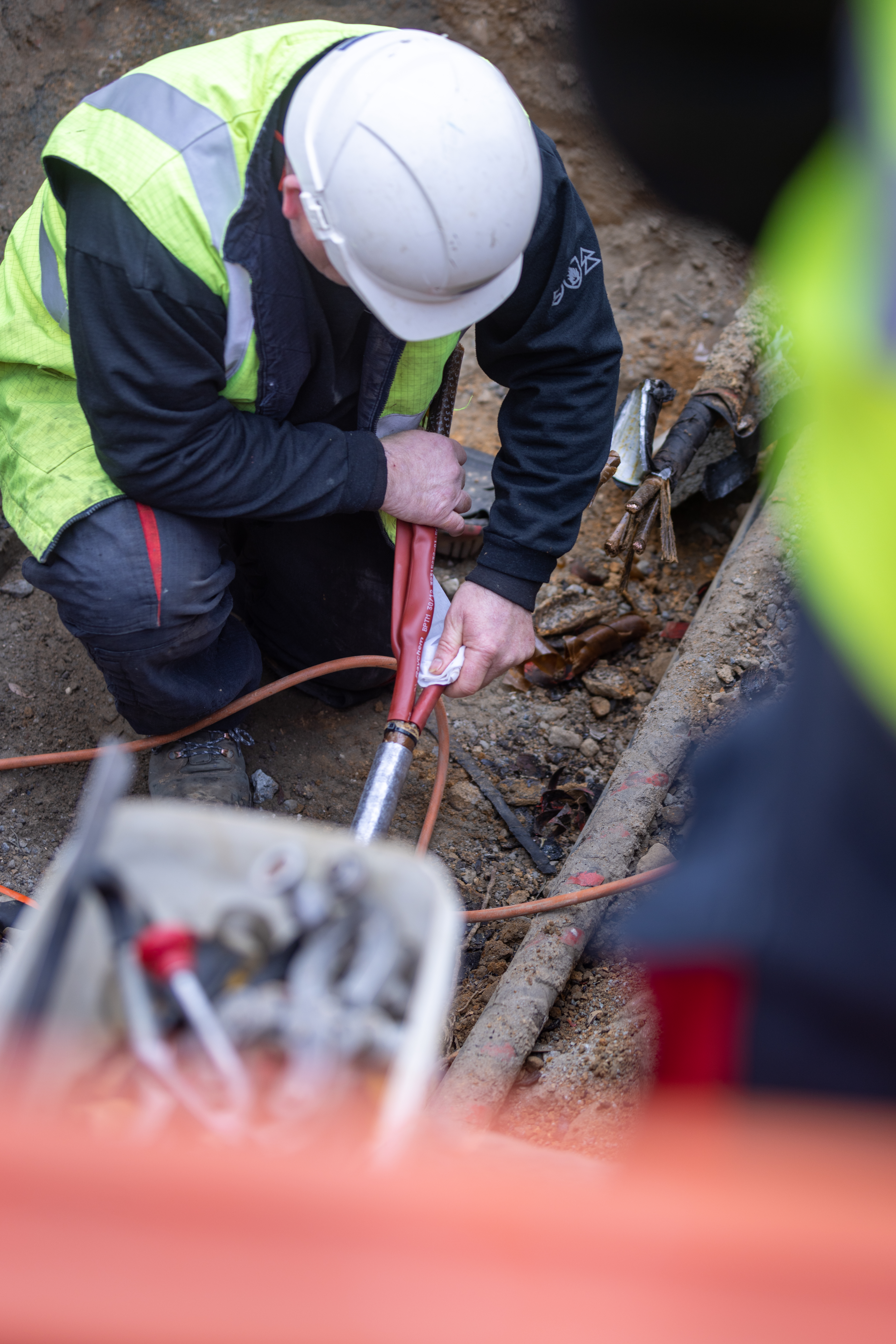
Standing charges help cover the ‘fixed costs’ of running an electricity network, which here in Guernsey includes (but isn’t limited to) the subsea importation cable, power generators and the local underground cable network. These need to be maintained and kept ready 24/7, so electricity is always available when you need it, regardless of how much you use day to day.
These types of charges are common across energy suppliers in all jurisdictions.
- ‘Fixed costs’ – this is what your standing charge pays for. It covers the multi-million-pound cost of running a grid, including the power station, over 1500km of underground cabling and around 500 local substations supplying power to people on the coldest, darkest day.
- ‘Variable costs’ – this is the electricity you physically use, and solar panels should considerably lower this part of your bill.
Even if you use very little electricity, your home still needs to stay connected to the grid, which is ready to supply power whenever you need it. Standing charges help energy suppliers cover that ongoing cost, which is why everyone contributes.
Ask your installer: Does my payback period calculation factor in my quarterly standing charge, which will remain in place even after my solar installation?
-
What is my payback period for a solar installation?
Be wary of quotes based solely on the highest electricity rate. If a quote uses only the highest electricity rate, it may make the savings look bigger and the payback period look shorter than is realistically achievable.
The image below shows the back of an electricity statement for a customer who users a Super Economy 12 tariff for their lighting and power. If you would like to know how much you've used during your 'normal' rate and 'low-rate' times over the last year, you can either check the last year’s bill or give our customer service team a call.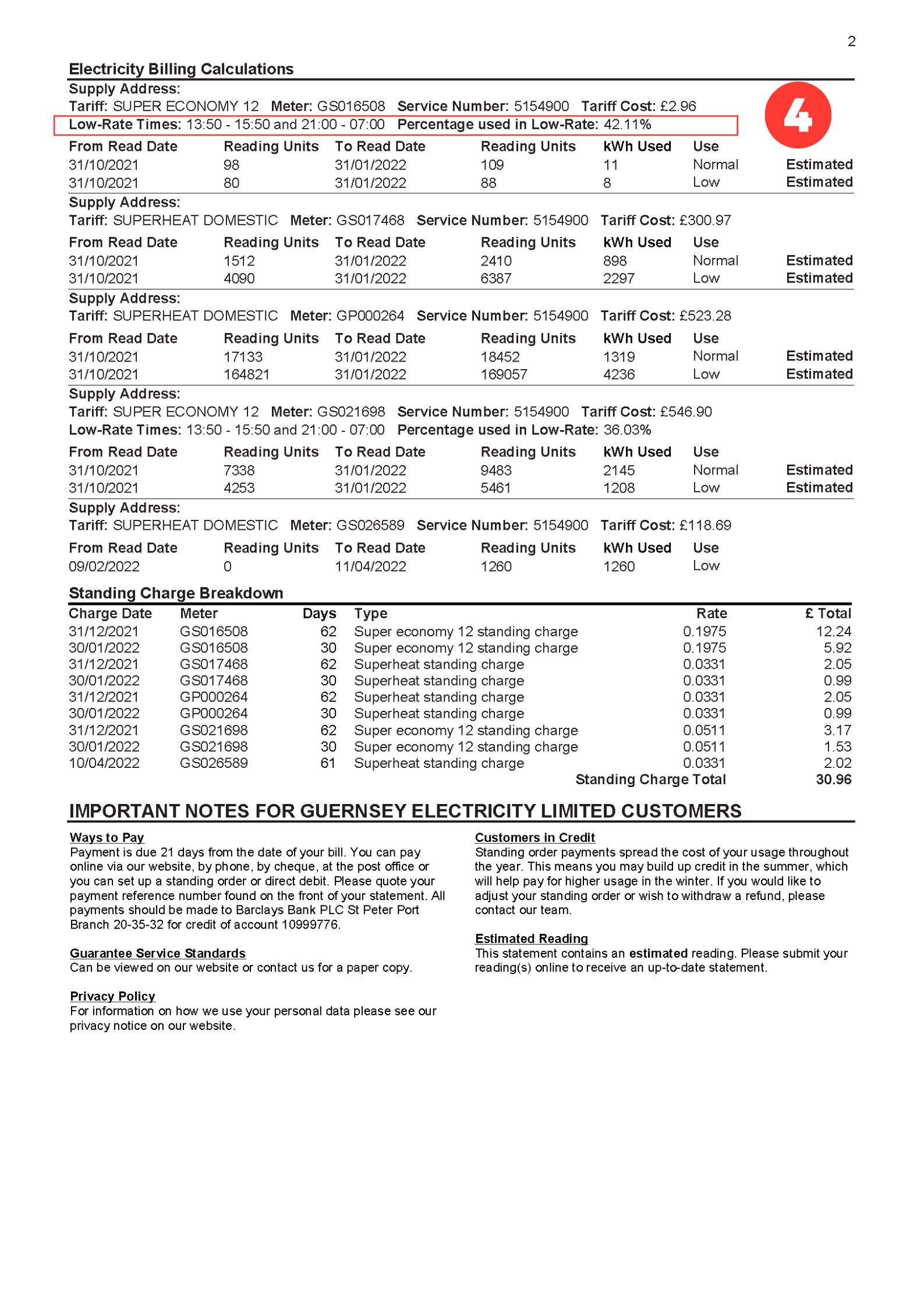
Super Economy 12
- Low Rate: This runs for 12-hours and is split into 10-hours overnight and 2-hours in the afternoon at a rate around 50% cheaper than the higher ‘normal’ rate (see below)
- Normal Rate: Covers the remaining 12-hours of the day and is more expensive to use.
Standard Tariff
This is a flat rate charged at the same price 24/7 and is around 50% more expensive than the Super Economy 12 low rate.
How to get the fastest payback
To get the fastest return on your investment in terms of running costs, try using your most energy-hungry appliances, including washing machines, tumble dryers and dishwashers, during sunny periods whilst your panels are generating electricity. If you have battery storage, save excess solar power during the day and use it later during your higher-rate periods, when electricity from the grid will cost you more. If you need to buy electricity from the grid, use it during your low-rate periods whenever you can and save your solar or battery power for the more expensive hours.
Buy electricity when it's cheap. Use your solar and battery power when it's expensive.
Ask your installer: Can you give me an approximate payback period based on the specific electricity tariffs my property uses for lighting and power?

-
Do I need planning permission to install solar panels?
For roof-mounted solar, planning permission on existing homes is usually not needed, provided your panels meet specific exemption criteria set out by the States of Guernsey. Rules may differ if you live in Conservation Areas, a protected building, or the airport safety zone.
However, your installer will need to send an ‘EE40’ private generation form to Guernsey Electricity.
Regardless of planning exemptions, you must register your solar panels with Guernsey Electricity to get formal permission to connect to the electricity grid. Without approval, it’s impossible to legally connect your ‘self-generation’ system, meaning you can’t receive any buy-back payments for excess power.
Ask your installer: Will your team handle the entire EE40 application process with Guernsey Electricity on my behalf and will you provide me with formal grid connection approval documentation before the installation begins?

-
What happens if a solar panel breaks?
If a panel breaks or stops working, often you’re protected by product and performance warranties. Most solar systems will alert you to any drop in performance through an app, and your installer can help investigate any issues.
Guernsey Electricity sometimes receive calls about faulty solar panels, but if the issue relates to the equipment itself, it isn’t something an electricity provider can fix. The best thing to do is contact your original installer.
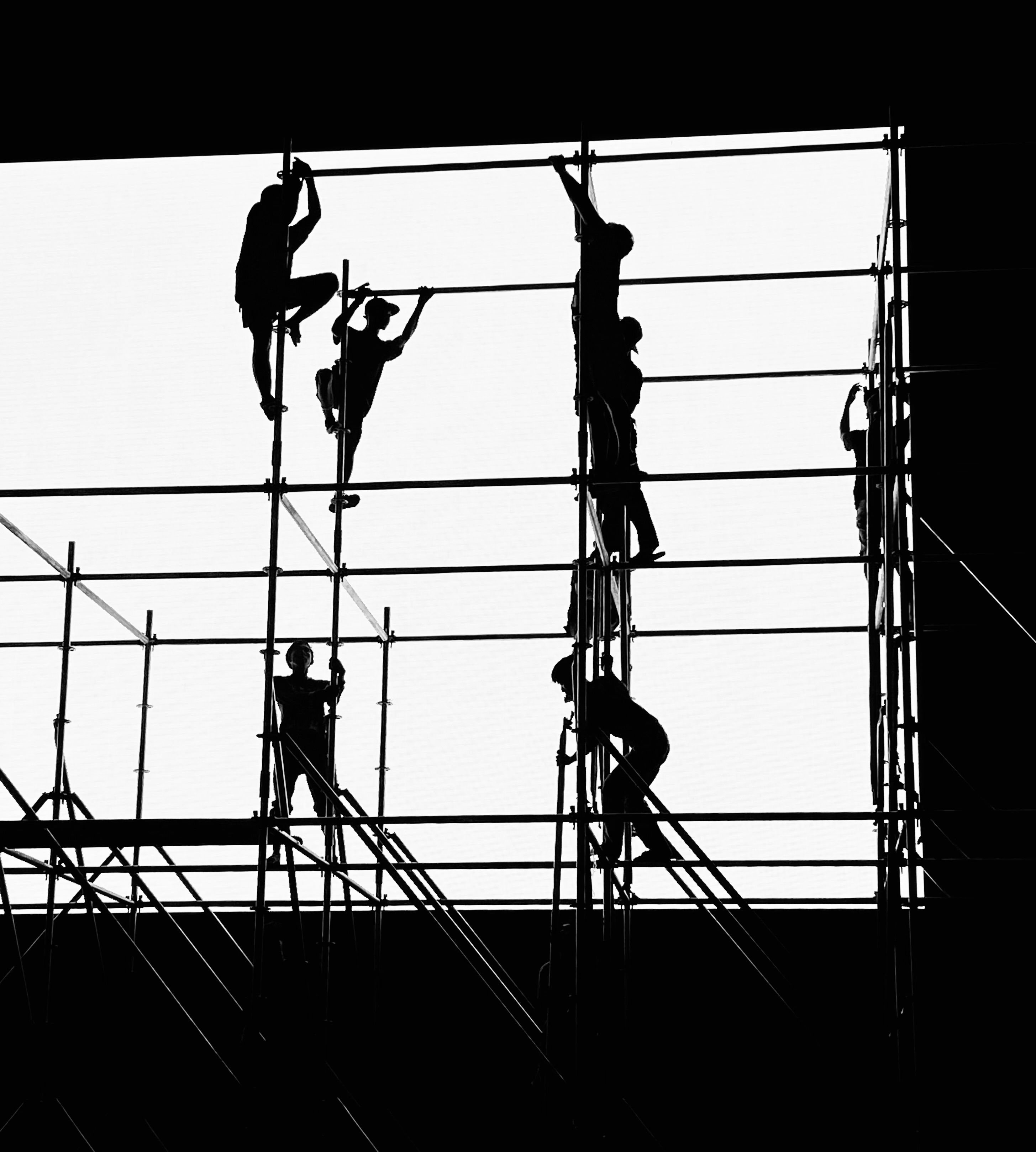
Some product warranties will cover the cost of the hardware, but not necessarily the labour to climb on your roof and replace the panels, so it’s best to check this with your installer ahead of installation too. Also check if the warranty pays for scaffolding to access your system. If it doesn’t, please make sure to factor this into your purchase calculations, as scaffolding in Guernsey can be expensive.
Ask your installer: Does the warranty cover both the hardware failure plus the diagnostic labour and roof-work cost including scaffolding, or will I need to pay a fee to have any damaged panels replaced?
Bonus question – can I go off grid?
The dream for many is to be entirely self-reliant by generating their own power. With today’s technology, it’s certainly possible, and depends on how much electricity your property uses.
Check your electricity bill after you’ve had your self-generation system installed for a full year.
If you're only paying a standing charge and your actual electricity usage is £0, your solar system may be covering all your power needs. Before going off grid, make sure you have a reliable Plan B in case your solar system stops working.
If there is a usage charge on your bill, this shows your property is still drawing some power from the grid, and your standing charge is helping get that power to you.
Who installs solar panels in Guernsey? Click to find an installer
.
12 Questions to ask your solar panel installers
-
Where will you install the inverter and battery system in my home, and do those locations meet Guernsey's building and safety requirements for temperature and ventilation?
-
Before providing a quote, have you cross-referenced the proposed system design with my actual electricity consumption data from Guernsey Electricity, rather than using an average UK home estimate?
-
As solar power cannot reduce electric heating bills, based on how my home is metered, can you explain how my solar system will help offset my overall electricity use?
-
Based on my property's electricity use, is this battery sized to cover my actual usage when my solar panels aren't supplying the power directly?
-
Does your payback calculation assume I'll export every single spare unit of electricity, or is it safer to treat any buy-back income as a bonus only?
-
Will you provide me with a copy of the approved EE40 connection confirmation from Guernsey Electricity before installation begins so I can receive buy-back payments where possible?
-
On a sunny day, if a high-voltage spike forces my solar panels to switch off, how do I safely reset the system so I don't lose any generation when the voltage drops again?
-
Does my payback calculation include the standing charge that I'll still be paying after my solar installation?
-
Can you give me an approximate payback period based on the specific electricity tariffs my property uses for lighting and power?
-
Will your team handle the entire EE40 application process on my behalf, and will you provide formal grid connection approval before installation begins?
-
Does the warranty cover both hardware failures and the labour, roof access and scaffolding costs needed to replace any damaged panels?
-
If a solar panel, inverter or battery develops a fault, who do I contact first and what exactly is covered under the warranty?
Bonus Question
Can my home realistically go off-grid, and how would I know if my solar system is producing enough electricity to make that possible?